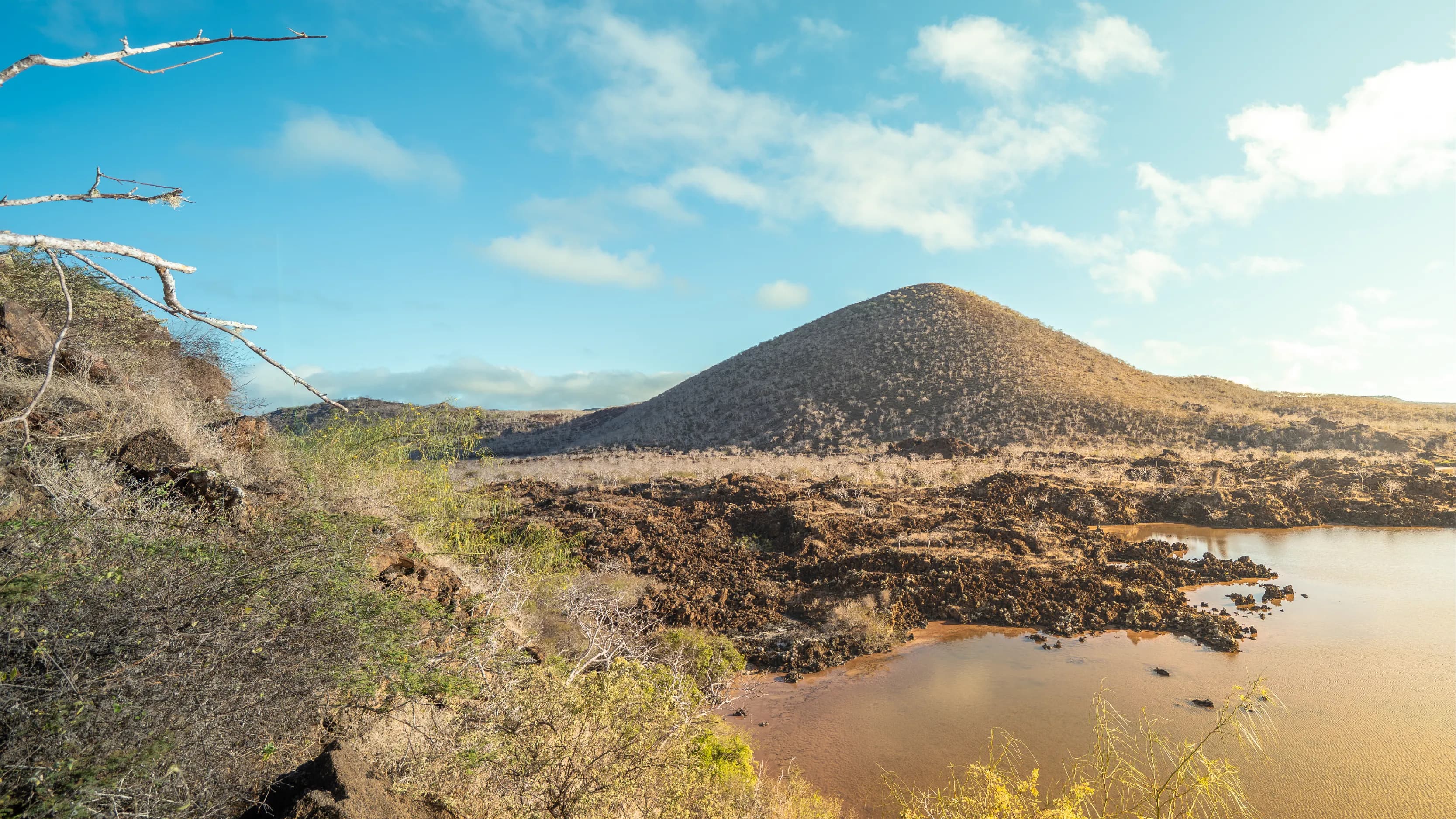
For decades, the Galapagos Islands have served as a living laboratory for science, conservation, and environmental innovation.
Today, Floreana Island is writing a new chapter in that story by becoming the world's first "Smart Island" for wildlife conservation. Through a groundbreaking system that combines artificial intelligence, real-time monitoring, wildlife tracking, and advanced connectivity, conservationists can now monitor ecosystems faster and more efficiently than ever before. As reported by Primicias, El Comercio, and conservation organizations involved in the project, this technological milestone forms part of the ambitious Floreana Ecological Restoration Project, one of the most important conservation initiatives currently underway in the Galapagos Islands. The Smart Island Project is an innovative conservation system designed to monitor wildlife and ecosystem recovery across Floreana Island in real time. The initiative combines: • Artificial intelligence • Camera traps • Wildlife tracking systems • Environmental sensors • Real-time connectivity networks. Together, these technologies create a continuous flow of information that allows conservation teams to detect changes in the ecosystem immediately.
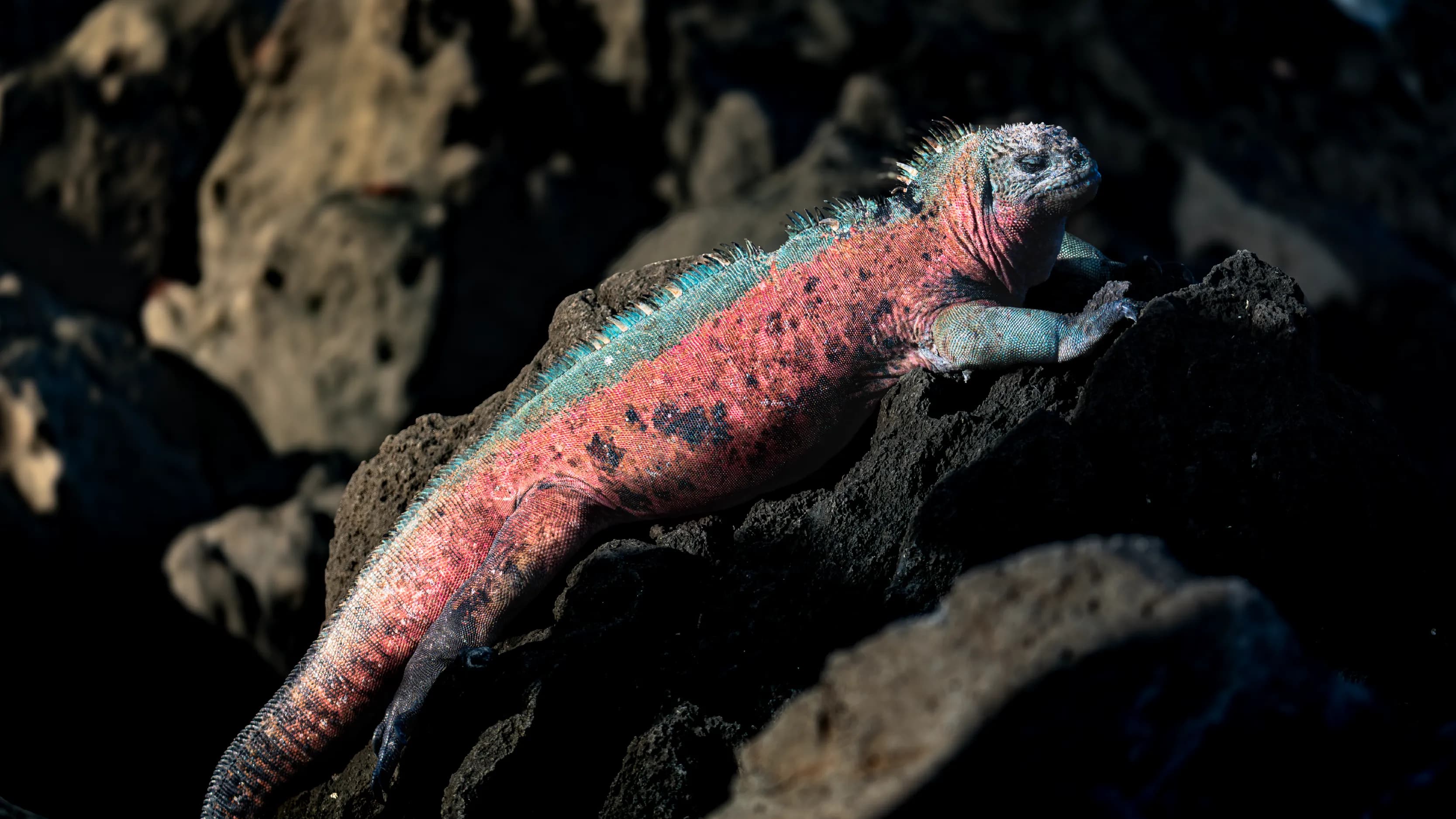
Traditional wildlife monitoring often required researchers to spend days or weeks retrieving information manually from remote locations. Today, data collected throughout the island can be transmitted automatically and analyzed using artificial intelligence, dramatically improving response times and conservation effectiveness. One of the most remarkable aspects of the project is the use of artificial intelligence to identify wildlife species and detect potential threats. The system can automatically recognize invasive species such as: • Feral cats • Rodents • Other introduced animals These species have historically represented significant threats to native birds, reptiles, and other endemic wildlife throughout the Galapagos Islands. Faster Decisions, Better Outcomes When invasive species are detected, conservation teams receive alerts that allow them to respond quickly. This capability helps protect vulnerable wildlife populations and improves the success of restoration efforts across the island. Rather than replacing scientists and conservationists, artificial intelligence enhances their ability to make informed decisions and allocate resources more effectively.
Until recently, monitoring wildlife on Floreana was an extremely time-consuming process. Researchers often spent days hiking through remote terrain to recover memory cards from camera traps and manually analyze thousands of photographs. According to reports associated with the project, conservation teams could spend up to 12 days collecting and reviewing information across the island. Today, images and environmental data are automatically transmitted and processed through the Smart Island network. A Powerful Tool for Ecosystem Recovery The ability to receive real-time information allows conservation teams to track wildlife activity, monitor habitat restoration, and identify environmental threats as they occur. This level of monitoring was previously impossible on such a scale. A Historic Moment in Floreana's Ecological Restoration The launch of the Smart Island system comes during a transformative period for Floreana Island. In February 2026, Floreana celebrated another major conservation milestone: the return of giant tortoises after more than a century of local extinction. The reintroduction of giant tortoises represents one of the most visible achievements of the Floreana Ecological Restoration Project. Now, the Smart Island system provides conservationists with an unprecedented tool to monitor these efforts and support future wildlife reintroductions.
By combining ecological restoration with advanced technology, Floreana is becoming a global model for data-driven conservation. Scientists can now better understand how restored ecosystems evolve and how native species respond to conservation actions over time. While thousands of travelers visit the Galapagos Islands each year to experience extraordinary wildlife and landscapes, projects like Smart Island remind us that protecting these ecosystems requires constant innovation. By combining artificial intelligence, real-time monitoring, ecological restoration, and scientific collaboration, Floreana Island is helping shape the future of conservation. Its success offers hope not only for the Galapagos Islands but also for conservation initiatives around the world. Sources • Primicias • El Comercio • Island Conservation • Fundación Jocotoco